Professional development.
Lifelong portfolios.
Connected communities.

Connect professional development, PDPs, and credentials with lifelong portfolios. Plan programs, share opportunities across organizations, and help educators track licensure renewal.

Select an area to learn more

Explore an area of the ecosystem
Shared catalogs, resources & connected organizations

Connected learning communities

Choose another area

Ask questions. Share resources. Keep working together.

Bring educators from different schools into a focused learning community. Discuss classroom practice and connect the conversation to professional development.
Talk about your learning community
Discuss practiceAsk questions and compare approaches with colleagues from other schools.
Share resourcesKeep useful materials in a document library colleagues can return to.
Connect to PDUse course learning communities to discuss the material and its application.

Planning & funding

Choose another area

Connect district priorities with professional development.

Set goals, review educator plans, and manage the PD budget. Track funding decisions alongside the professional development they support.
Talk about planning and funding
Strategic Goal PlanningConnect district and school priorities with educator professional plans.
Budget ManagementReview funding requests, commitments, and spending for the funding period.
Educator plans & reviewReview the learning and evidence submitted in support of a professional plan.

Creating & sharing

Choose another area

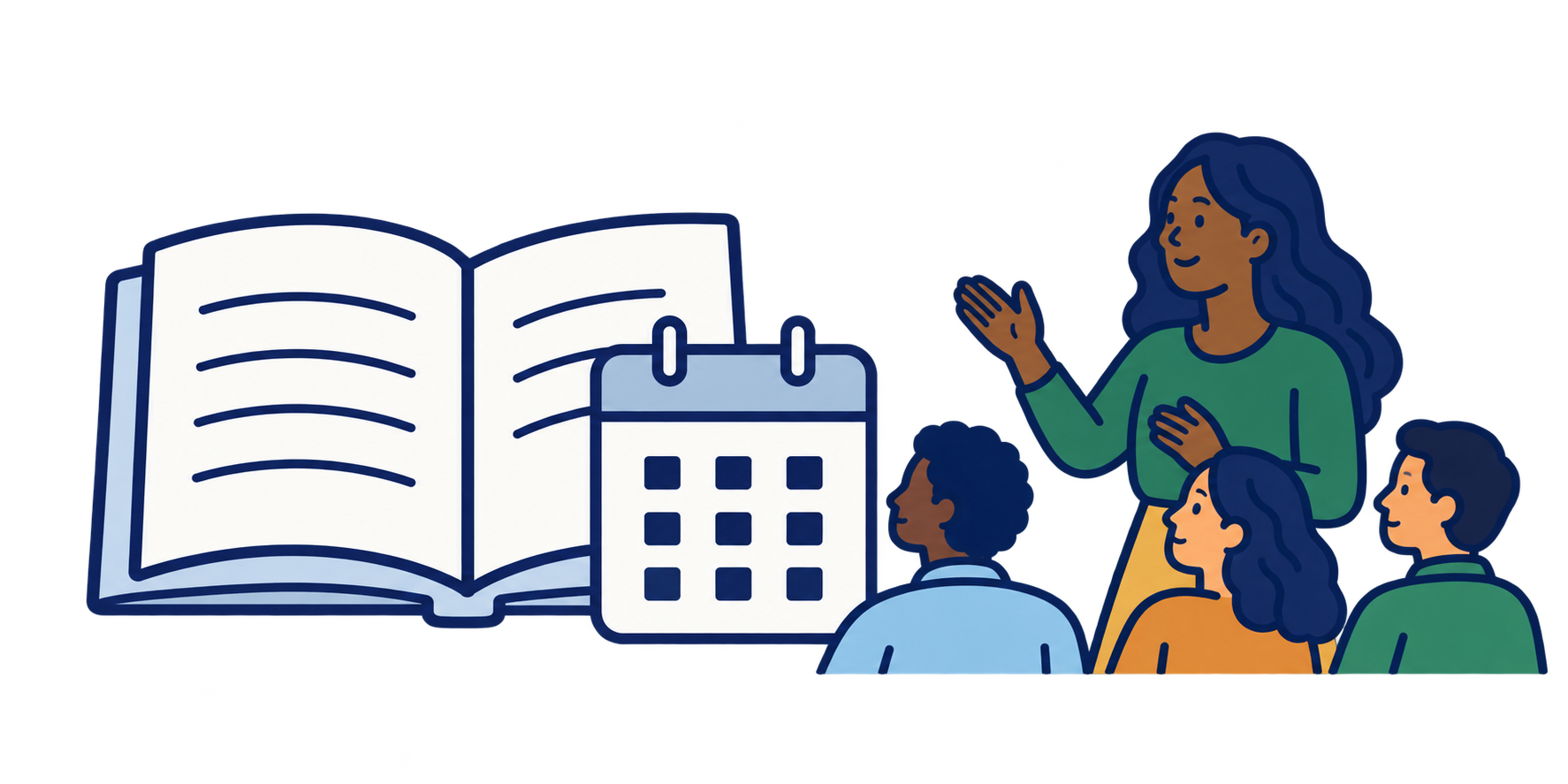
Turn educator expertise into something colleagues can use.

Publish articles and resources, invite workshop proposals, and prepare accepted submissions for delivery.
Talk about your next program
Publishing & resourcesShare practical knowledge and materials with your audience.
RFPs & proposalsInvite submissions and review proposed workshops or sessions.
Accepted proposalsPrepare an accepted proposal as a workshop with scheduled sessions.

Courses, workshops & events

Choose another area

Run the program, from registration to completion.

Offer courses, workshops, events, and sessions. Give educators the details they need to participate and organizers the records they need to review.
Talk about your PD program
Courses & assessmentsOrganize content, learning activities, assessments, and surveys.
Workshops, events & sessionsPublish dates and program details, then manage registration.
Participation & completionRecord attendance and completion against the relevant activity.

PDPs & credentials

Choose another area

Track what you’ve earned and where it matters.

Keep any PDPs or credits, the issuer, award criteria, and supporting evidence with each badge or credential. Review those details when planning professional development or preparing for licensure renewal.
Talk about your credential program
Define the awardSet the purpose, criteria, and requirements.
Review the evidenceReview participation and supporting work against the award requirements.
Issue and share the credentialIssue the award and keep its details available in the educator’s portfolio.

Lifelong portfolios

Choose another area

Organize all your professional development and track licensure renewal.

Bring learning records, credentials, and supporting evidence together. Return to them when planning professional development or preparing for review and renewal.
Talk about portfolios and renewal
Educator self-serviceFind PD, register, request support, and follow the review.
Learning across organizationsKeep records from participating districts, associations, and providers.
Licensure & renewal planningReview eligible PDPs and the records relevant to a renewal period.

Shared catalogs, resources & connected organizations

Choose another area

Connect offerings across your professional learning network.

Make courses, workshops, events, and resources from participating districts, associations, ESCs, collaboratives, and providers available through shared catalogs.
Talk about your partner network
Shared catalogsFind courses, workshops, and events from participating organizations.
ResourcesFind materials and expertise relevant to professional development.
Organizations & reviewEach organization keeps responsibility for its own access and review decisions.

Districts

Choose another area

Plan professional development for your district.

Set priorities, manage the PD budget, and review educator plans and requests.

Talk about your partner network
Strategic Goal PlanningConnect district and school goals with educator professional plans.
Budget ManagementReview funding requests and track approved commitments separately from completed spending.
District reviewReview educator plans, submitted evidence, and eligible credit.

Associations

Choose another area

Build professional development with your members.

Invite member expertise, publish professional development, and reach educators through shared catalogs.
Talk about your partner network
Member expertiseInvite proposals and resources from members and presenters.
Programs & participationManage courses, workshops, conferences, and sessions through registration and delivery.
Learning portfoliosIssue completion records and credentials when program requirements and issuing authority allow.

ESCs & collaboratives

Choose another area

Plan, manage, and deliver professional development across districts.

Coordinate professional development for the districts you serve. Publish shared offerings and connect educators with resources and colleagues across the region.

Talk about your partner network
District inputUse participating districts’ priorities and educator needs when planning offerings.
Shared programs & catalogsPublish courses, workshops, events, and resources for connected districts and educators.
Participation & recordsTrack registration, attendance, and completion. Issue records within your organization’s authority.

PD providers

Choose another area

Publish and deliver professional development.

Make your courses, workshops, and events available to educators through participating organizations’ shared catalogs.

Talk about your partner network
Publish offeringsGive educators the details they need before registering.
Deliver the activityManage registration, participation, and completion through the relevant workflow.
Issue learning recordsProvide records when program requirements and issuing authority allow.

See the connections
in practice.

See how shared catalogs workFollow a course from a provider’s offering to a district’s PD catalog.Follow a workshop into the portfolioFrom the proposal through participation, review, and the issued record.

The connections start with the data model.

Credalyst connects organizations, learning activities, evidence, and credentials through clearly defined records.
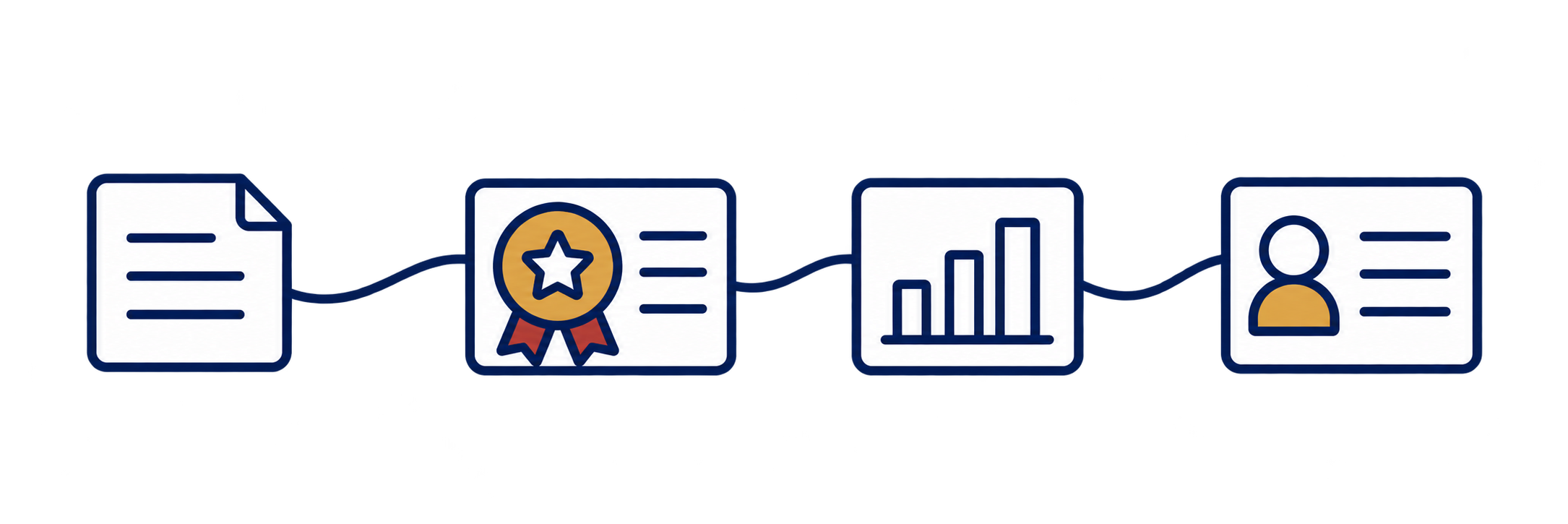
Connected learning, evidence, credential and portfolio records

Let’s look at your process

What are you planning next?

A professional development program, a shared catalog, or a credential. Bring what you’re working on.

Why Credalyst is Unique

Credalyst draws on our experience with education systems at national, statewide, and district levels. Its architecture gives people, organizations, learning activities, evidence, and credentials their own clearly defined records and connects them.

A common model for connecting systems

Education systems describe information in different ways. Credalyst uses a common underlying data model, informed by education standards, with mappings for exchanging information in other formats. That gives us a consistent foundation for supporting additional standards and integrations.

Designed for connected organizations

A district needs to manage its own work. A statewide initiative may need to connect many districts, associations, and providers. Credalyst’s architecture accounts for those relationships, including which organization owns a record and who has authority to act on it.

Privacy and security built into the decisions

Connecting systems requires clear boundaries around access and sharing. Those boundaries matter even more as AI creates new ways to use information. Our approach starts with identifying what information is needed, who may access it, and the purpose for which it is shared.

A foundation we can build on

Requirements change. New partners bring different systems. Credalyst separates core records from the rules and integrations that use them, giving us a practical basis for extending the platform over time.

Get the technical brief (PDF, 2 pages)

Why Credalyst is Unique

Credalyst draws on our experience with education systems at national, statewide, and district levels. Its architecture gives people, organizations, learning activities, evidence, and credentials their own clearly defined records and connects them.

A common model for connecting systems

Education systems describe information in different ways. Credalyst uses a common underlying data model, informed by education standards, with mappings for exchanging information in other formats. That gives us a consistent foundation for supporting additional standards and integrations.

Designed for connected organizations

A district needs to manage its own work. A statewide initiative may need to connect many districts, associations, and providers. Credalyst’s architecture accounts for those relationships, including which organization owns a record and who has authority to act on it.

Privacy and security built into the decisions

Connecting systems requires clear boundaries around access and sharing. Those boundaries matter even more as AI creates new ways to use information. Our approach starts with identifying what information is needed, who may access it, and the purpose for which it is shared.

A foundation we can build on

Requirements change. New partners bring different systems. Credalyst separates core records from the rules and integrations that use them, giving us a practical basis for extending the platform over time.

Get the technical brief (PDF, 2 pages)Talk with us about the architecture